
Eye camps
Vision loss is one of the most common disabilities in the world and one of the cheapest to fix.
We began in Sri Lanka in 2017 with local Rotary clubs. It worked, so we took it to Cambodia with the Khmer Sight Foundation and St John Volunteers. Australian optometrists pay their own way, bring their own equipment, and set up in whatever building the village can spare.
People queue from early morning. Most have never had their eyes tested. Someone who cannot see well enough to work goes home able to work again.


Education
In Laos, around half of girls aged twelve to seventeen are not in school. Distance is a large part of why.
A girl from a village two hours upriver cannot walk to secondary school and back. So we build dormitories next to the schools, which is the difference between finishing year six and finishing school.
Alongside that: ten thousand primary school books across remote villages, uniforms, one hundred bicycles, playground equipment, and scholarships that have carried students into teaching and nursing degrees.
Water and sanitation
The education programme stalled until we dealt with the water.
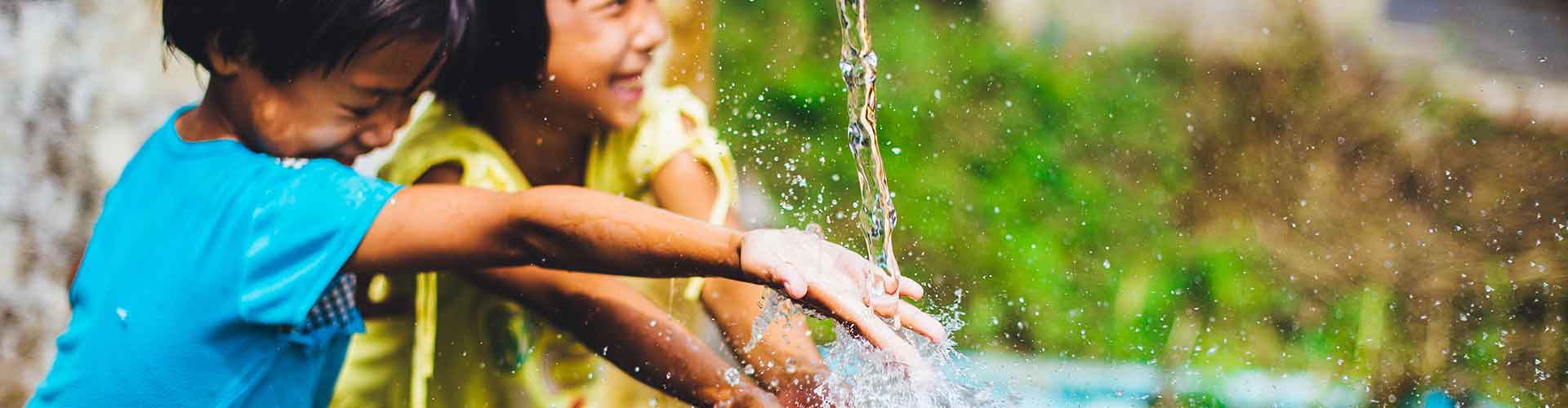
Children were at school and getting sick. Filtration plants went into three villages in Dong Hoi, enough for roughly six thousand people, along with wells, toilets and wash areas beside the classrooms.
Remote villages also have little access to doctors, so treatable infections turn fatal. We now fund community nurses and free medical clinics in the same places.
Menstrual health
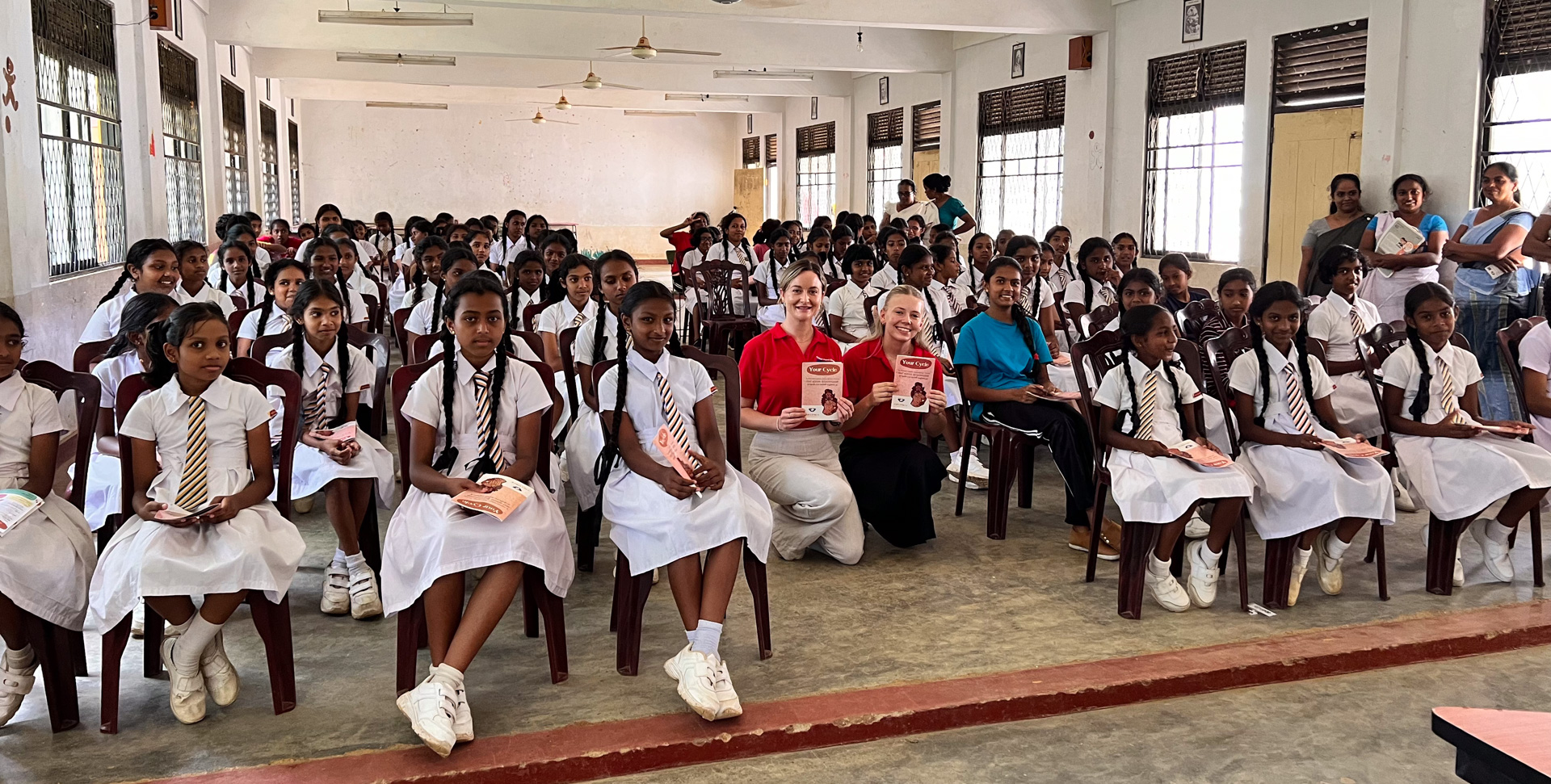
Girls in rural Sri Lanka forgo school during their period. Limited resources, no education about it, and a culture that does not discuss it.
We work with the Women’s Centre of Sri Lanka, Rotary Badulla, the Affinity Foundation, and Edith Cowan University through the Practera programme.
Students receive reusable products, a checkup with a healthcare professional, and a health guide written by ECU students. The first trip reached around eleven hundred students across ten schools.